Can Electric Car Batteries Be Recycled? A Second Life Guide
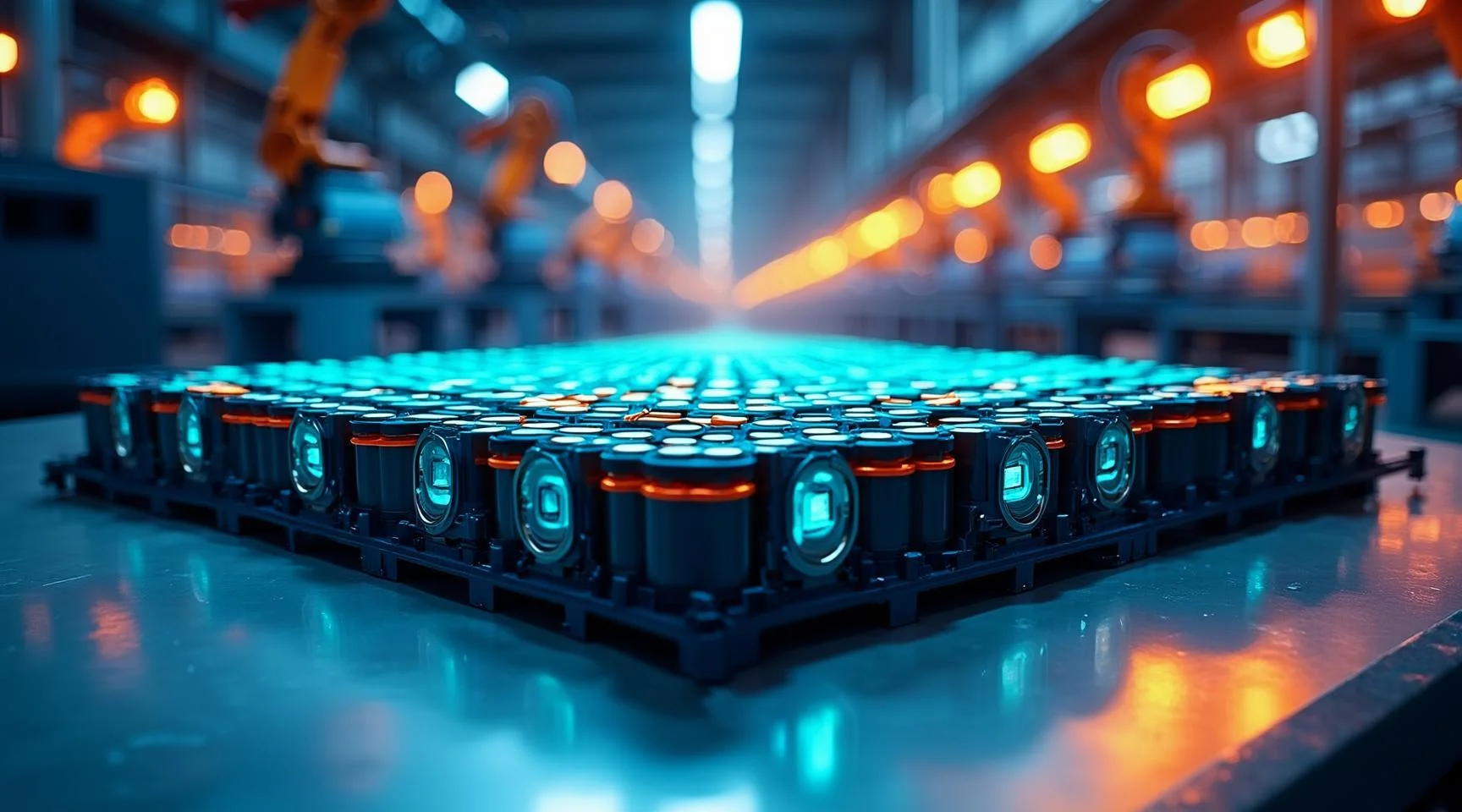
Electric vehicle batteries do not go to the trash when they exceed the vehicle's service life. A battery with diminished capacity first continues to work in new jobs such as stationary energy storage, and once completely depleted, its metals are recovered. This page covers the end of the battery's journey — the part most guides skip: second-life applications, recycling processes, and regulatory developments in this field.
When does a battery retire?
Under optimal conditions, electric vehicle batteries can be used for up to about 15–20 years. The critical threshold in terms of vehicle performance is capacity dropping below 70%; at this point, battery replacement may come into question. ChargeIQ recommends initiating the replacement process after 100,000–160,000 km of use.
Still, battery replacement is statistically a rare occurrence. According to a study by Recurrent involving 15,000 vehicles, only 1.5% of electric vehicles needed a new battery. The "short-lived" perception spread through comparisons with phone and computer batteries is not widely accepted today; car batteries are much larger and much better managed systems.
Manufacturers' warranties are also part of the picture. The common pattern is 8 years/160,000 km with a 70% capacity commitment; however, some brands go further:
- Tesla Model 3: 8 years/160,000 km; Model Y: 8 years/193,000 km; Model S/X: 8 years/240,000 km
- Hyundai: 10 years/160,000 km (models after 2020)
- TOGG T10X, Nissan Leaf and BMW: 8 years/160,000 km
- BYD Blade Battery: 8-year warranty
Second life: a new job after the vehicle
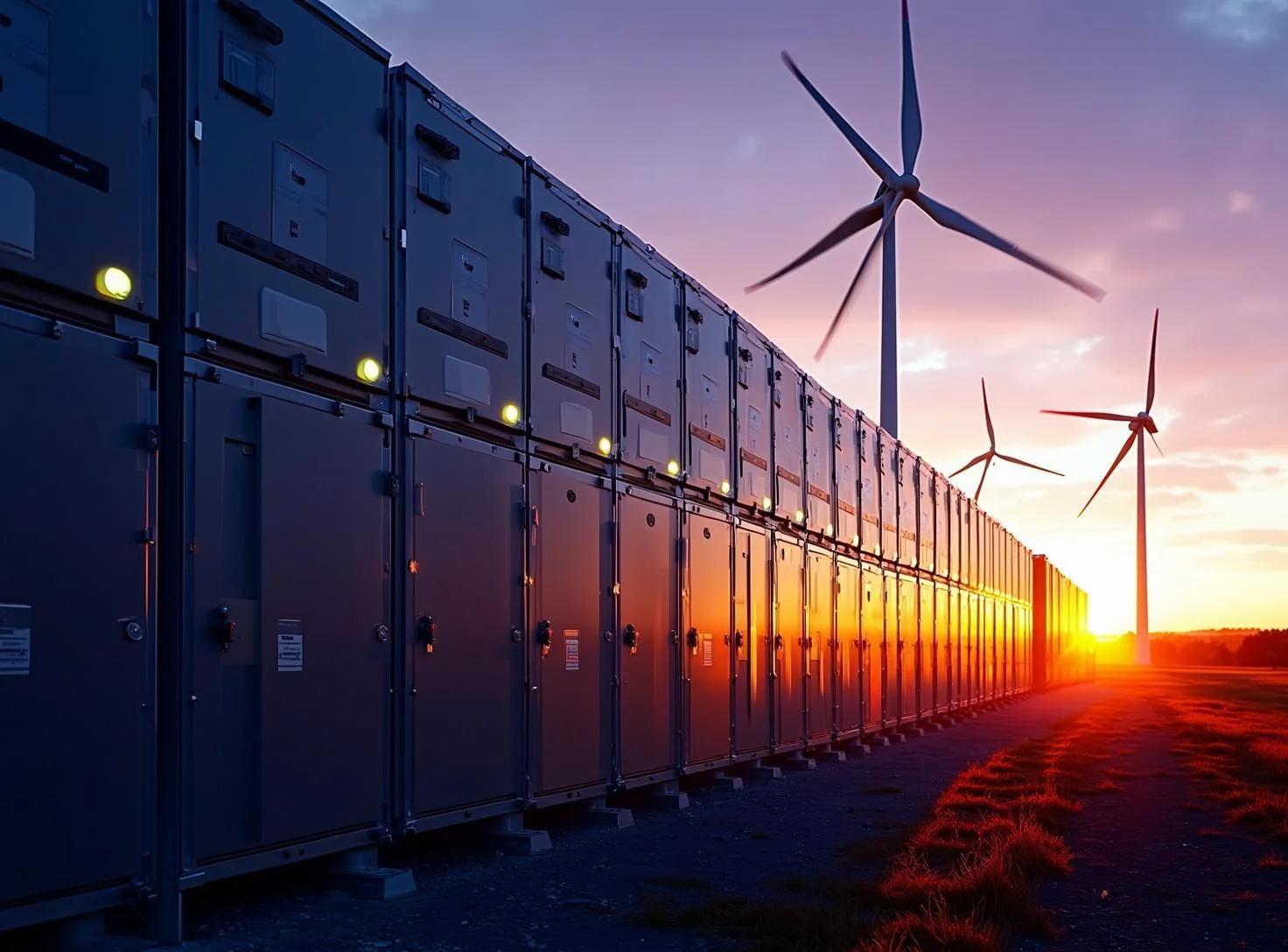
A battery that no longer has enough power for a vehicle is still a valuable energy storage unit. Batteries that have completed their service life in a vehicle can be repurposed in stationary energy storage systems, renewable energy projects, and grid balancing solutions. This approach reduces the total environmental impact by pushing the need for recycling to a later date. Second life and recycling are therefore seen not as sequential but as complementary steps.
A concrete example comes from Amsterdam: at the Johan Cruijff Arena, an energy storage system with a capacity of approximately 3 MW was built using 148 electric vehicle batteries that had reached the end of their life. The importance of these systems is also growing in terms of charging infrastructure — second-life batteries can balance demand management at charging stations and reduce grid load.
How does the recycling process work?
Electric vehicle batteries are lithium-ion based and contain metals such as lithium, cobalt, nickel, manganese, graphite, steel, and aluminum. The aim of recycling is to recover these valuable metals and dispose of them without harming the environment. The process proceeds in three main stages:
- Safe dismantling of the battery
- Separation of the cells
- Recovery of the metals through chemical or mechanical methods
In practice, batteries are dismantled, metal components are separated; then valuable metals are recovered through high heat (pyrometallurgical methods) or chemical processes. In some applications, the recovery rate is said to reach the 95% level. It should also be noted: battery recycling is a significantly more complex process than traditional waste recycling.
Using recovered metals in new battery production provides two gains: preventing resource waste and reducing external dependency in raw materials. Cobalt is one of the metals that stands out economically at this point; however, preferences in battery chemistry are changing the dynamics. LFP (lithium iron phosphate) batteries contain no cobalt at all; this means both an advantage in terms of ethical and environmental debates and a lower environmental impact potential in recycling.
Regulations and Turkey
Worldwide, manufacturers are being given battery take-back and recycling obligations. The European Union has developed regulations requiring batteries to be recycled at a minimum of 50% by weight, and this rate is targeted to be increased in the coming years. In addition, incentive mechanisms are being developed in the recycling field, and the number of companies focusing on these technologies is increasing.
In Turkey, the issue came to the agenda with the growth of the electric vehicle market; an increase in regulation and infrastructure investments is expected in the coming years. Non-recyclable parts, meanwhile, are rendered harmless through special processes — meaning the battery's story does not end with metal recovery either.
Practical notes for drivers
The most effective way to extend a battery's life is to treat it well in the vehicle. The standout recommendations are:
- Limiting DC fast charging to emergencies
- Keeping the charge in the 20-80% range as much as possible
- Protecting the vehicle from extreme heat: parking in the shade or plugged in if possible
- Checking tire pressure regularly
The cost of a battery replacement varies by model, battery pack size, and manufacturer; in most cases, it is also covered by warranty. In conclusion, electric vehicle batteries are indeed recyclable — but the real story begins before the recycling facility: as the example of the arena in Amsterdam shows, a retired battery can keep working for years to come.