Comparison of Electric Vehicle Charging Networks: Which App, Which Station?
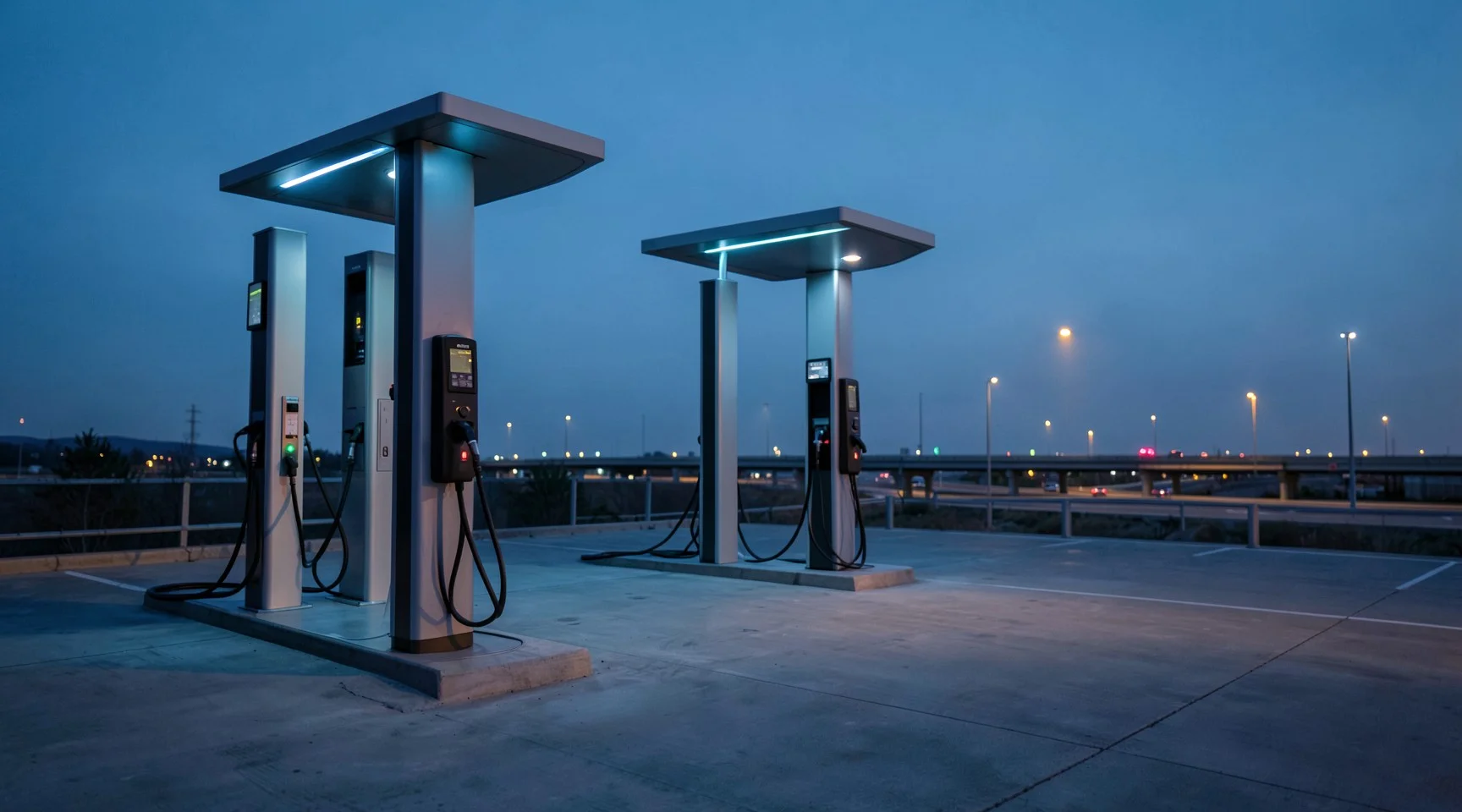
The publicly accessible charging network market in Turkey is operating in mid-2026 with dozens of licensed operators; as of July 2026, the total number of stations has exceeded 12,687 and the number of sockets 45,660. Despite this, most guides still focus on home charging. Yet the real practical question is which operator's app you will open on the road, in a shopping mall parking lot, or on an intercity trip. This page puts the leading charging network operators side by side in terms of tariffs, coverage, and power; it shows which combination makes sense for whom.
2026 Operator Comparison
The table below is based on tariff and station data compiled by Elektrikli Türkiye between April and August 2026. The DC tariffs of ZES and Eşarj reflect August 2026 ceiling prices; the AC tariffs of both operators are not listed in publicly available lists.
| Operator | AC (TL/kWh) | DC (TL/kWh) | Stations | Highlight |
|---|---|---|---|---|
| ZES | — | 12.99 | 1,835 | All 81 provinces, the most widespread network |
| Eşarj | — | 13.70 | 777 | Highest power, up to 360 kW |
| Voltrun | 9.90 | 12.90 | 743 | Extensive AC network |
| Trugo | 9.95 | 11.82 | 642 | Togg's network; the most affordable DC tariff |
| WAT Mobilite | 10.99 | 14.49 | 348 | Concentrated in shopping malls and parking lots |
| Astor Şarj | 9.49 | 12.49 | 185 | Lowest AC and DC tariff on the list |
Let us issue this warning up front: prices change frequently and must be confirmed through the operator's own app before making payment. Moreover, different comparison sites may give different figures for the same operator. In sarjfiyat.net's 2026 list, for example, Aksa stands out at 8.49 TL/kWh, while Trugo is listed at 9.95, ZES at 9.99, and Eşarj at 9.90 TL/kWh. The most likely explanation for this contradiction is that the sources list different tariff categories (AC, DC Standard, DC Fast, DC Ultra). No price comparison made without specifying the category is reliable.
How Much Does the Price Difference Matter?
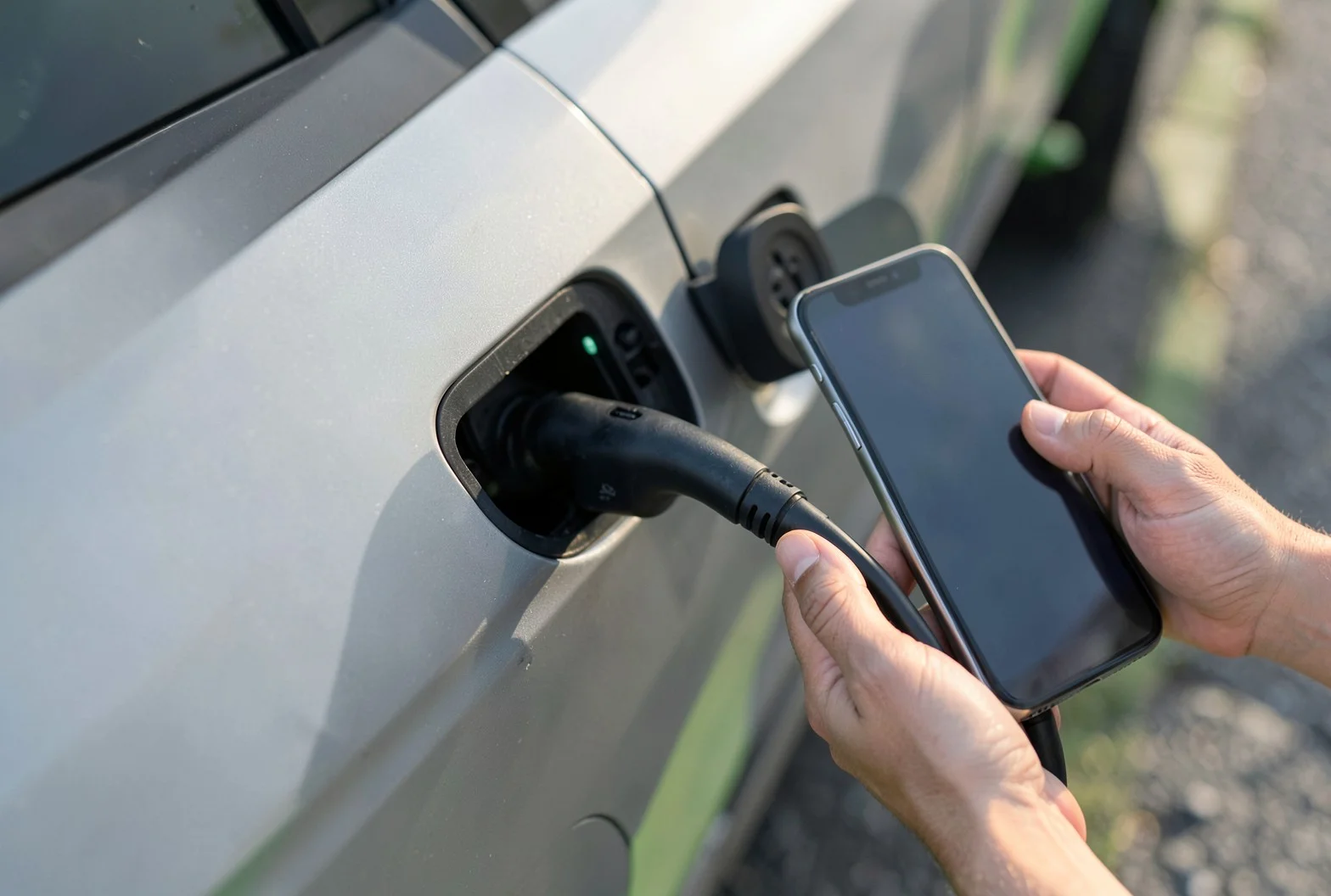
When abstract TL/kWh figures become concrete, the picture changes. Charging from 20% to 80% on a vehicle with a 60 kWh battery means approximately 36 kWh. According to Elektrikli Türkiye's calculation, this single DC charge costs about 426 TL at Trugo, 450 TL at Astor, 464 TL at Voltrun, 468 TL at ZES, 493 TL at Eşarj, and 522 TL at WAT Mobilite.
The difference between the cheapest and the most expensive operator reaches 96 TL on a single charge. For a driver who charges four DC times a month, this difference exceeds 4,600 TL per year — meaning a few minutes of research along the route translates into real money. As a point of comparison: charging at home remains at roughly one quarter of the cost of DC charging.
Coverage, Power, and Market Structure
Price is not everything; the stations you can reach also matter. ZES is spread across all 81 provinces, making it the network that makes intercity route planning the easiest. On the power side, Eşarj is at the peak with units reaching up to 360 kW. If you are looking for density in shopping malls and parking lots, WAT Mobilite's network stands out. For Togg owners, Trugo is a natural choice both as the brand's own network and for having the most affordable DC tariff.
The station numbers show how fragmented the market really is. arabamsarj.com.tr's May 2026 data lists more than 50 licensed companies: Astor Enerji 360, Beefull 323, Aksa Şarj 224, D-Charge 209, 5 Şarj 203, Efish 191, E4 Şarj 96, ADZE 91, E-Power 56, and so on. One detail worth noting is that the number of stations and the number of sockets differ — a station can contain multiple sockets. Moreover, station counts can even contradict each other between sources: while Astor shows 185 stations on Elektrikli Türkiye, it is listed as 360 on arabamsarj. This may stem from differences in definitions and scan times; it is healthier to read these figures for direction rather than as absolute truth.
Which Combination Makes Sense for Whom?
In Turkey, most experienced drivers do not stick to a single network; they become members of multiple networks, one for coverage and another for price. Limiting yourself to a single operator can leave you stranded the moment that station is occupied or broken. Here are practical matches based on usage profile:
- Intercity travel: ZES — coverage across 81 provinces, making route planning easier.
- Fastest charging: Eşarj — units reaching up to 360 kW; on DC, Astor or Trugo offers a price advantage with lower tariffs.
- Lowest cost on DC: Trugo, clearly ahead on the list with its 11.82 TL/kWh tariff.
- Lowest cost on AC: Astor Şarj, 9.49 TL/kWh.
- Shopping mall and parking usage: Points where WAT Mobilite is concentrated.
- Togg owners: Trugo — the brand's own network.
One note: The sources this page is based on do not contain detailed comparative data on the operators' app usability, map accuracy, and payment methods. Therefore, the table here makes decisions based on tariffs and coverage; it would be appropriate to verify the app experience yourself by trying it on your own phone.
Habits That Save Money and Time on the Road
Your charging habits affect the bill just as much as tariff selection. A few easy-to-follow rules:
- Finish charging at 80%. Beyond this point, power drops and your per-minute cost increases.
- Use tools like ABRP for route planning; check the station's current occupancy through the operator's app.
- If possible, prefer HPC stations above 180 kW.
- Remember: The DC charging power your vehicle accepts varies from 30 kW to 263 kW depending on the model. Just as important as the station's power rating is the power your own vehicle can draw.
To track price data, aggregator sites like arabamsarj, enucuzsarj, and sarjfiyat live-track active charging points and operator tariffs. Still, the final word should come from the app of the operator you pay.
To summarize: Turkey's public charging network is growing rapidly, and this growth brings price competition with it. For long-distance-heavy use, ZES's coverage; for daily DC use, Trugo's or Astor's tariff; and for shopping mall habits, WAT Mobilite's network are the most useful options. Keeping two operators' apps on hand is the cheapest insurance against both full stations and high tariff risks.
Sources
- Charging Station Prices 2026: Operator Comparison - Elektrikli Turkiye
- Turkey Electric Vehicle Charging Stations Map / Prices — arabamsarj.com.tr
- Charging Prices 2026 Current List — Trugo ZES Esarj Sharz | sarjfiyat.net
- Charging Operators Price Comparison 2026: ZES, Esarj, Trugo, Tesla
- Companies with the Widest Charging Networks: ZES, Esarj, Trugo and 2026 Tariff Fees
- Electric car charging station prices: AC & DC charging fees (2026) — DonanimHaber