Electric Car Insurance Guide: Premiums and Coverage
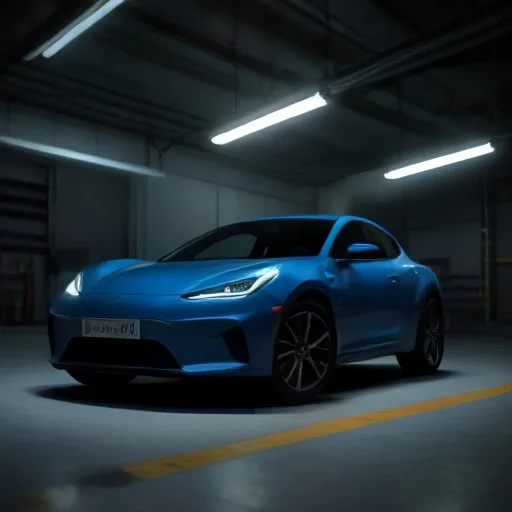
When buying an electric vehicle, most people focus on range, charging infrastructure, and battery life; the insurance premium is usually a detail considered later on. Yet 2026 data shows that the insurance cost of electric cars is, contrary to expectations, often higher than that of gasoline vehicles. In this guide, we cover the reasons for the premium difference, the intricacies of battery coverage, and the critical questions to ask when choosing the right policy.
Why Are Premiums Higher?
Although the expectation of "a car that breaks down less means cheaper insurance" is widespread, the market says exactly the opposite. There are two main factors driving up comprehensive insurance premiums for electric vehicles. The first is the battery: if damaged, the cost of repair or replacement can amount to a significant portion of the vehicle's total value, and insurers price this risk directly. The second is parts and labor; due to high-voltage safety, repairs require special training and certified technicians. Since the number of certified service centers is still limited, both parts supply and labor come at a high cost.
To give a concrete idea, we can look at example calculations from the German market. In Verivox's example dated July 2026, for a driver in Hamburg driving 9,000 km per year, the comprehensive premium was calculated at approximately 301 EUR for the VW ID.3, 431 EUR for the Tesla Model Y, and 214 EUR for the Fiat 500e. In the same examples, Allianz's starting prices were 119 EUR per year for traffic insurance, 179 EUR for partial coverage, and 199 EUR for full comprehensive coverage. These figures do not apply directly to Turkey; however, they are striking in terms of showing how large the premium difference between vehicle models and values can be. Remember, what determines the exact rate is not the fuel type alone; type class, region, and driver profile all play a role.
Battery Coverage: The Most Critical Clause of the Policy
In electric vehicle insurance, the real issue is how and under what conditions the battery is protected. Partial coverage does not cover collision-related battery damage; therefore, comprehensive coverage is an absolute recommendation for electric vehicles. The truly distinctive protection is "battery full-risk coverage": this scope also includes battery losses caused by deep discharge and malfunctions, not just accidents. Some insurers state that they also cover damage caused by chemical reactions; the Allianz Premium tariff offers new-for-old compensation for up to 60 months.
A common mistake here is to assume that a battery malfunction and accident damage are the same thing. The two are different events and are regulated separately in the policy. When reviewing an offer, be sure to check the following items:
- Battery coverage limit and per-incident / annual upper limits
- Lower thresholds and deductible amounts
- Whether there is a waiting period
- The geographic scope of the coverage
Let's also add this: complete battery replacement is rarely necessary; most of the time, module-based repairs are performed. However, this approach is not possible for every make and model, which sometimes complicates the claims process.
Overlooked Coverages: Wallbox, Roadside Assistance, and Cyber Risk
Most electric vehicle owners don't realize that charging equipment is excluded from the policy. A good plan should include wallbox and charging cable coverage (theft and vandalism). Although some home insurance policies cover wallbox damage, this does not apply to every policy; the guaranteed solution is to choose a plan with wallbox coverage in the vehicle insurance.
Overvoltage protection against lightning strikes or grid fluctuations during charging is equally important. Another overlooked item is marten damage: according to 2024 data from the German insurance association GDV, approximately 252,000 marten damage incidents occur annually, with an average cost of 620 EUR. For electric vehicles, the amount can be much higher because the damage usually requires replacing the entire high-voltage cable set. Finally, companies offering cyber protection coverage against hacking and unauthorized access risks targeting vehicle software are now also available.
Fire Risk: Perception and Reality
The belief that electric vehicles burn more easily is not consistent with the data. According to a US-based AutoinsuranceEZ analysis cited by ADAC, the fire rate for electric vehicles is 0.03%, compared to 1.5% for gasoline vehicles. In other words, the probability is significantly lower. The problem is that when a battery fire does occur, it is difficult to extinguish and cleanup costs are high. From insurers' perspective, this "low probability, high impact" profile makes pricing difficult; this contradictory risk structure is one reason for the uncertainty in premiums.
Policy Renewal and Selection Tips
Finding the right policy is not just about the premium amount. Experts agree that cheap policies can incur additional costs at the time of a claim; battery coverage limits and the contracted service network are as important as the premium. During the renewal period, follow these steps:
- Get quotes from multiple companies and compare battery coverage limits side by side.
- Check the contracted service network in your region; ask about replacement vehicle coverage, because repair times can extend outside major cities.
- Verify fire and theft limits according to your vehicle's current value.
- Evaluate telematics-based discount programs; with premiums personalized through driving data (acceleration, braking, distance) analysis, HUK-COBURG offers discounts of up to 30% under its "Telematik Plus" program.
- Prefer annual payment; according to data, those paying monthly pay approximately 10% more.
Also watch out for contract errors: unclear battery coverage, very low deductibles, service network conflicts (seen in Tesla and some BMW models), and failure to report drivers are typical pitfalls. In the German example, if driver notification is neglected, payment can be restricted or completely denied under § 28 VVG. Additionally, you can transfer your no-claims class to the new company; when switching from gasoline to electric this is usually possible, while foreign driving history varies from company to company. Be sure to ask before signing.
Conclusion: Look Beyond the Premium to Coverage
The landscape of electric vehicle insurance is more dynamic than it appears at first glance. Insurers' data accumulation in this segment is growing, and with the expansion of the service network, more accurate risk calculation and competitive pricing are expected in the medium term. The healthiest strategy for today is simple: Make your decision by looking not only at the premium figure, but also at the details of the battery coverage, deductibles, and the repair network. A premium difference that starts out small can turn into a difference of thousands of lira on the day of a claim.
Sources
- Electric Vehicle Insurance Prices 2026: What to Watch Out For
- Electric Vehicle Insurance Guide 2026 | CheckAlle.de
- Electric Vehicle Comprehensive Insurance: Battery, Charging, and Roadside Assistance
- Comprehensive Insurance for Electric Vehicles: Battery Damage and Special Coverages
- Battery Replacement Insurance: Electric Vehicle Battery Damage and Comprehensive Insurance Coverages
- Electric Vehicle Insurance 2026: Battery Coverage Guide
- Electric Vehicle Insurance Guide | Coverage, Prices, and Tips